
The Myths About Lesbian Sex and Foreplay
According to an earlier review on Pornhub, “lesbian” was the second most popular search term globally, and the most popular in the United States.
Apparently, everyone enjoys watching women make out. Unfortunately, in the real world, that doesn't often translate into understanding or respect for lesbian partners.
While in theory it shouldn't be anyone's business how people have sex, that's not the reality. Because, according to a dictionary, two women are less likely to have intercourse, every drunk man seems to think he has the right to ask, "So how do you do it?" when he learns my sexual identity.

While the correct answer is "None of your fucking business," I understand the confusion.
The definition of sex becomes complicated once traditional ideas are abandoned. Being part of the LGBTQ+ community blurs the lines even more, but some of these new ideas also apply to heterosexual couples.
Defining sex isn't as simple as using a dictionary, and clarification is the best way to combat ignorance.
You don't need a penis for sex
Curious people in bars often wonder how queer girls have sex. Do we use strap-ons ? Who wears them? Isn't anything else just foreplay? These questions are not only pushy and annoying, but also narrow-minded.
Let's be clear right away: lesbians can have sex. Any girl who is with another girl can have sex. In most cases, they can't have "traditional sexual intercourse," but that doesn't mean they can't have sex.
As a queer woman, sex doesn't just refer to the textbook definition of intercourse, which explicitly mentions "the insertion of a man's erect penis into a woman's vagina." Sex can be penetrative or non-penetrative, and it depends heavily on the situation. A man performing oral sex on a woman might not be considered sex by some, but most women who date other women consider oral sex to be sex.

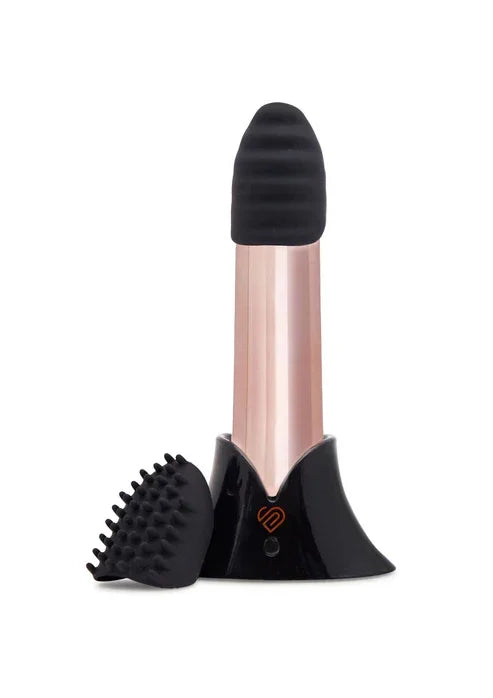
In a relationship between two women, sex can be defined in many different ways. Any activity that involves removing a significant amount of clothing and attempting to please at least one partner usually falls under the category of sex. This can include mouths, fingers, or all kinds of toys.
The most common form of sex between women is what many would call foreplay. Penetration, fingering, and oral sex are commonplace in the queer world. The most common objection to this is that it's "not really sex." In the traditional sense of intercourse, that's true. However, the focus is on pleasure or the emotional connection between the two people.
For queer girls, oral sex and fingering can be a first memory of going down on a girl, simultaneously terrified and aroused by the feeling of it being new, yet so good. It might be going home with that pretty brunette from the bar and jumping into bed with her before waking up with all sorts of regrets. It can be a way to show someone you love how you want them to feel. That pleasure and emotional connection aren't invalidated just because no one had a penis, and in that sense, those two women were having sex.
That doesn't mean every queer girl feels comfortable or confident with oral sex or fingering. There are many queer women who don't like penetration, and others who don't enjoy oral sex. Some girls are happy to be the recipient of this kind of sex, but don't enjoy giving it, and vice versa. The focus in the definition of sex is more on the connection and the shared experience than on the form itself.
Our dildos are not penis replacements
Some queer girls use strap-ons to pleasure themselves and their partners. The first major misconception about strap-ons is that they're a replacement for a penis. Strap-ons are a way for queer girls to have sex in a way that more closely resembles traditional intercourse, but that doesn't mean they want a penis as well. Dildos come in many shapes and sizes and can bring pleasure to both the wearer and the receiver.
Some harnesses include a vibrator that pleasures both the wearer and the receiver. Some dildos can be used without the harness, allowing the giver to feel the movements more precisely. Regardless of the type of harness and dildo a couple chooses, it doesn't reveal a secret desire for a penis. The clearest explanation I've ever heard is: "Dildos aren't shaped like a penis; they're shaped like the inside of a vagina."
The second major misconception about strap-ons is that only one partner wears them. Some queer women don't enjoy penetration, even with fingers. In that case, one partner can wear the strap-on but not receive it. In other couples, the two women alternate, or each has a different dildo.
Sometimes it depends on the day or someone's mood. It's not always the case that more
A male partner or a more masculine woman wearing a strap-on, and often there is no more masculine woman in the relationship at all. Strap-on use isn't limited to one partner, and no one can, or should, make assumptions based on traditional gender roles. In this case, what a couple does in the bedroom isn't easily stereotyped.
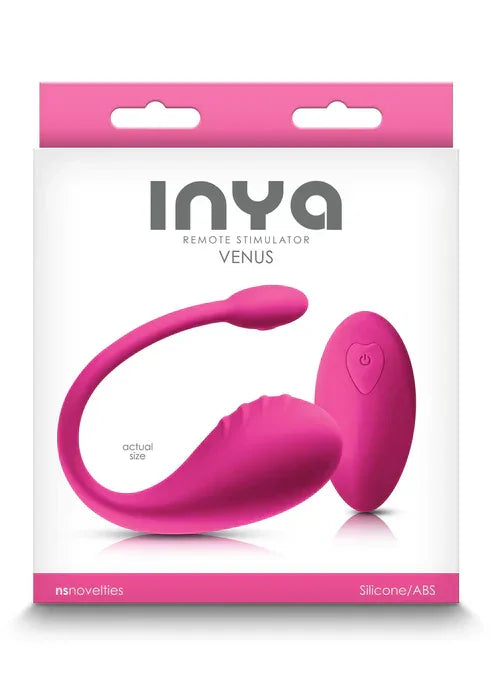
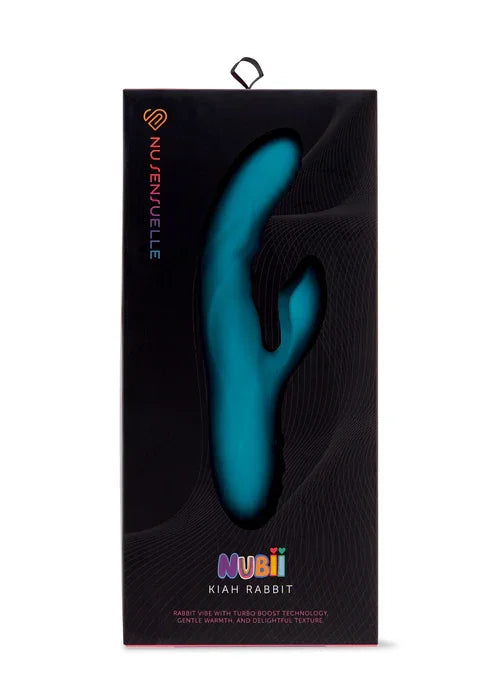
Not every queer couple has a strap-on . Many queer girls aren't interested. Some same-sex couples use other toys, like vibrators, instead of, or in addition to, a strap-on. Those who do use one use it for their own pleasure or that of their partner. In short, the use of a strap-on is no one's business but the couple using it.

Does scissoring actually feel good?
Scissoring isn't as common as porn would have you believe.
While it can be a way for some queer couples to have sex, it's not something most people are familiar with. This is mainly because it's difficult and complicated to get one clitoris to touch the other.
Some queer girls enjoy it and regularly engage in scissoring, but they are a minority. The rest of the girls will laugh at you if you suggest it's the most common form of lesbian sex.
Orgasm isn't always the goalThe final point of confusion about sex between queer women is how we know when we're done. Because, theoretically (and sometimes in practice), we could have sex all night long without needing a recovery period.
The end of a sexual encounter isn't always easy to recognize. The focus on orgasm is less and varies greatly from couple to couple.

Because many queer female couples have sex in a variety of ways that don't require mutual pleasure, sex isn't always over when only one partner is finished. It can end with multiple orgasms, or none at all, depending on the couple and the situation. By removing orgasm as a goal, the definition of sex is broadened. The goal of sex isn't to reach orgasm, but to give your partner pleasure. If you both climax easily, sex can last a long time or until you're both finished. If one or both of you has more difficulty climaxing, sex can end when that partner decides they've had enough. This creates a focus on ensuring both parties enjoy sex in every possible way.
While orgasms aren't always mutually acceptable, communication can help focus on the pleasure of sex. It's okay if there's no grand finale.
Orgasms are amazing. I think most slutty girls would agree on that. But orgasms are also very different for everyone. Some girls find it easy to reach orgasm, while others don't always succeed. Pressuring someone to have an orgasm is a great way to ruin the moment.
Sex between queer girls is both an interesting and misinformed topic. Sex isn't defined in the same way in a queer relationship, but it's no less important. The emotional connection and physical pleasure of sex are just as important between queer women. While the confusion about queer sex is understandable, being questioned about your sex life isn't fun.
Respectful questions are how people learn, but there's a time and a place for asking, and many of the details might not be your concern. If you feel comfortable telling this person exactly what positions you like and how firm you are in bed, then you're probably at a level where you can ask.
In reality, sex between queer women is just like sex between anyone else—it's a way to connect with someone, for fun or to express emotion, and a way to elevate a relationship. The actual act is far less important.